
The quest for sustainable, reliable, and affordable energy is more critical than ever. For organizations like the International Renewable Energy Council (IREC), or any entity focused on advancing clean energy, understanding the diverse portfolio of available renewable resources is fundamental. These energies are not just alternatives; they are the foundation of a resilient, low-carbon future.
Here’s a breakdown of the core renewable energies that can be leveraged for a sustainable energy transition.
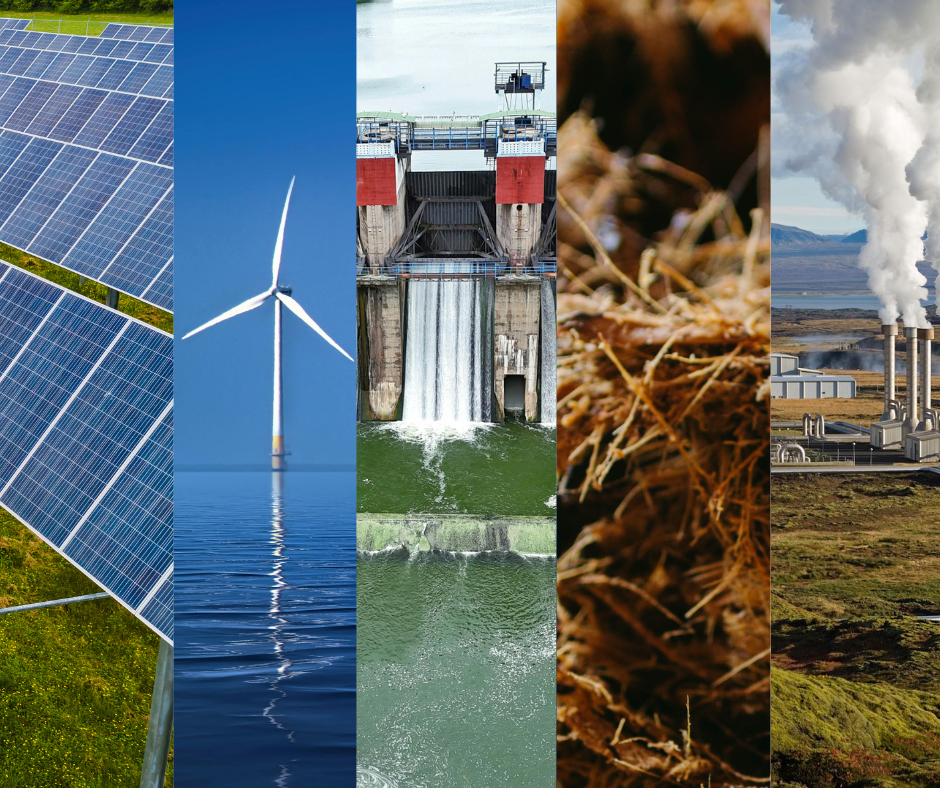
Eligible Renewable Energy Sources for I-REC(E)
- Solar Energy
- Solar photovoltaic (PV)
- Concentrated Solar Power (CSP)/solar thermal generating electricity
- Widely accepted and straightforward from an eligibility standpoint.
- Wind Power
- Onshore and offshore wind
- One of the most common sources for I-RECs globally.
- Hydropower
- Run-of-river, reservoir-based, and small/mini/micro hydro
- May require proof of licensing, environmental compliance, and grid connection.
- Some buyers prefer additional sustainability labels or modern commissioning dates—check your stakeholder requirements.
- Geothermal
- Electricity produced from geothermal steam or brine
- Typically eligible provided environmental permits and metering are in place.
- Biomass and Biogas
- Eligible when the energy is from biogenic (renewable) sources such as:
- Agricultural/forestry residues
- Biogas from anaerobic digestion (e.g., manure, food waste)
- Landfill gas and wastewater treatment gas
- Key caveats:
- Fuel origin and sustainability must be documented.
- Co-firing with fossil fuels is generally restricted; only the renewable share may qualify if allowed.
- Municipal solid waste incineration can be complicated due to fossil plastics eligibility can be limited or disallowed depending on local rules.
- Eligible when the energy is from biogenic (renewable) sources such as:
- Marine/Ocean Energy
- Tidal, wave, and ocean thermal energy conversion (OTEC)
- Increasingly recognized where metering and verification standards are met.
- Other Emerging Renewables
- New grid-connected renewable technologies may be accepted if they meet the Standard and local Issuer criteria.
What Usually Isn’t Eligible
- Fossil fuels: coal, oil, natural gas
- Nuclear power (low carbon, but not renewable)
- Diesel/gas generators, even in hybrid systems, unless only the renewable portion is accounted for and allowed by local rules
- Non-biogenic waste fractions (e.g., the fossil-plastic portion of MSW)

Special Cases and Caveats to Know
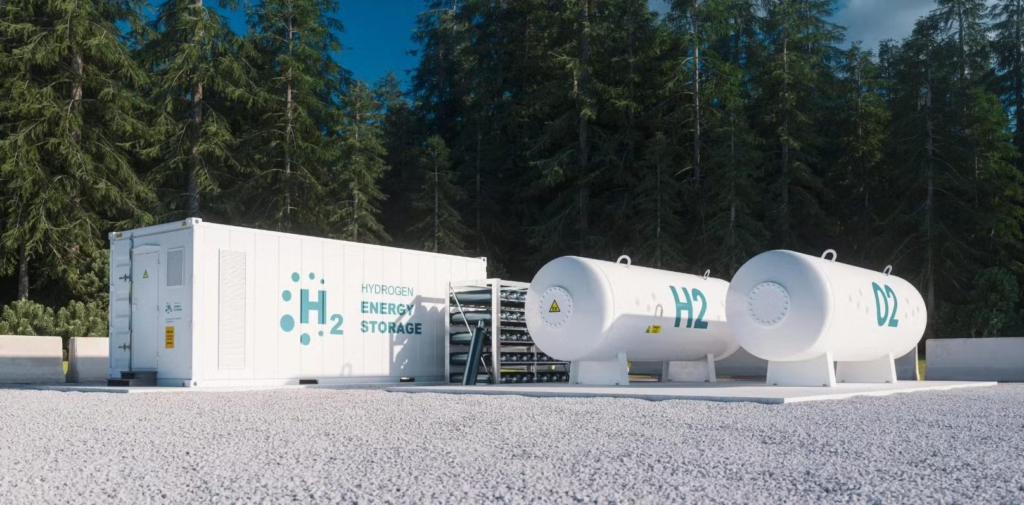
- Fuel Cells: The device is a conversion technology; eligibility depends on the fuel. If powered by renewable hydrogen or biogas, the electricity may be eligible (subject to documentation).
- Hybrid Plants: Only the renewable output is eligible. Accurate metering and allocation are essential.
- Legacy vs. New Projects: The I-REC Standard does not universally require “new build,” but many buyers prefer newer assets or additional sustainability labels. Align with your reporting framework (e.g., RE100, CDP, SBTi).
- Additional Labels: Some organizations layer eco-labels (e.g., EKOenergy) on top of I-RECs for extra environmental criteria—this is optional and buyer-driven.
- Country-Level Variations: Local Issuers may set technology-specific rules, documentation requirements, or restrictions to reflect national regulations.
Beyond Electricity: Heat, Gas, and Hydrogen
- I-REC(E) covers electricity.
- Attribute tracking for non-electric carriers (e.g., renewable gas/biomethane, hydrogen, heat/cooling) is emerging under related standards and pilots in some markets.
- Acceptance for corporate reporting can vary widely. If you’re aiming to make market-based claims for non-electric energy, verify:
- The exact certificate product recognized in your geography
- Whether your reporting framework accepts it
- The local Issuer’s rules and documentation requirements
When in doubt, consult your local Issuer or the I-REC Standard Foundation’s guidance for the latest product scope and pilots.
How to Verify a Project’s Eligibility
- Confirm the Technology
- Ensure the generator is a recognised renewable source in your country’s I-REC rules.
- Gather Documentation
- Grid connection and metering details
- Environmental permits and licenses
- Fuel documentation for biomass/biogas (origin, sustainability, chain of custody)
- Register the Device
- Work with the local I-REC Issuer or an authorized registry service provider.
- Provide commissioning date, capacity, location, and metering setup.
- Issue and Redeem Certificates
- I-RECs are issued per MWh generated.
- Buyers should redeem (retire) I-RECs in the correct market-year window to make valid claims.
- Align With Reporting Rules
- Check RE100/CDP/SBTi market-based guidance (e.g., geographic market boundaries, vintage, exclusivity).
- If you need higher sustainability assurances (e.g., for hydropower or biomass), consider additional labels.
Quick FAQ
- Are old hydro plants eligible? Often yes, if compliant with local Issuance rules—but buyer preferences may differ.
- Can waste-to-energy issue I-RECs? Only the biogenic fraction may be considered renewable, and eligibility varies. Many markets restrict or exclude it.
- Can I claim 100% renewable electricity with I-RECs? Yes, if you purchase and redeem enough I-RECs matched to your consumption, within accepted time and market boundaries.
To learn more, please talk to us via WhatsApp +8801701963899 or Schedule a call here: https://calendly.com/business-delnotic/30min