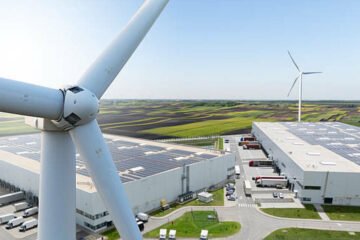

The European Union’s Carbon Border Adjustment Mechanism (CBAM) is rapidly becoming one of the most consequential climate policies affecting global trade. For export-oriented manufacturing economies like Bangladesh, CBAM is not a distant regulatory concept—it is a structural shift that will reshape competitiveness, reporting expectations, and decarbonisation strategies.
Nowhere is this more relevant than in the textile and garment industry, which accounts for the majority of Bangladesh’s exports to the EU.
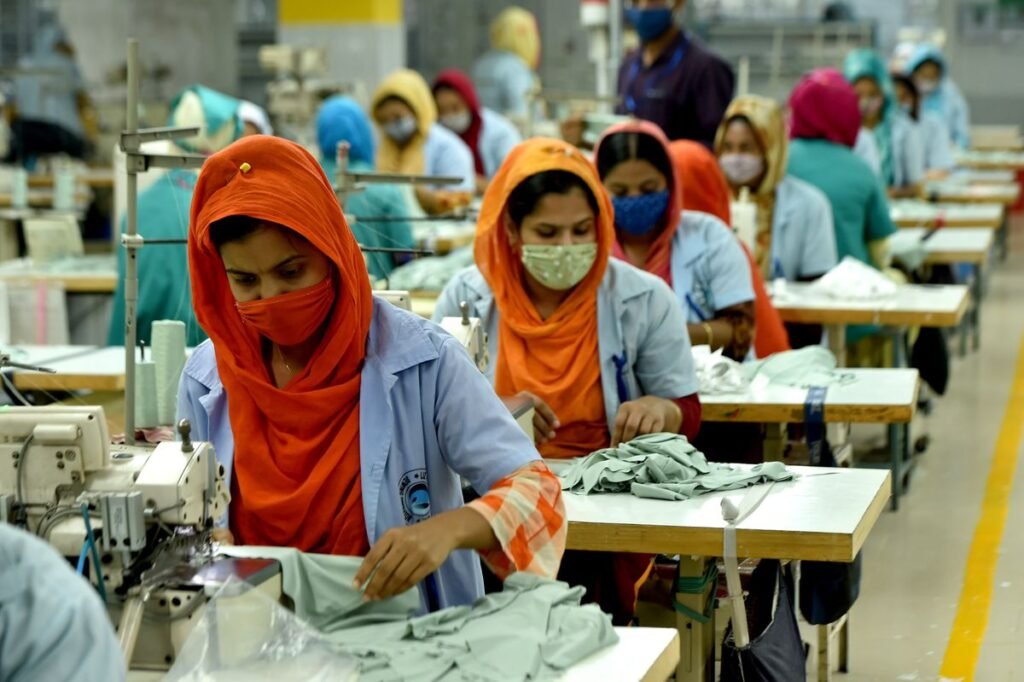
This article explains what CBAM is, how it impacts Bangladesh manufacturers—particularly apparel exporters—and what companies should be doing now to prepare.
What Is CBAM, in Simple Terms?
CBAM is the EU’s mechanism to put a carbon price on imports of carbon-intensive goods entering the EU, equivalent to what EU producers already face under the EU Emissions Trading System (EU ETS).
Its objectives are to:
- Prevent carbon leakage
- Encourage global decarbonisation
- Ensure a level playing field between EU and non-EU producers
CBAM is being rolled out in phases:
- Transitional phase (2023–2025): Reporting only
- Full implementation (from 2026): Financial obligations begin
Initially, CBAM applies to sectors such as steel, cement, aluminium, fertilisers, electricity, and hydrogen.
However, its indirect implications extend far beyond these sectors, especially for complex value chains like textiles.
Why CBAM Matters for Bangladesh’s Textile & Garment Industry
Although finished garments are not yet directly covered, Bangladesh’s apparel sector will still be affected in several critical ways.
1. Embedded Emissions Are Becoming Visible
EU buyers are increasingly required to understand the carbon footprint of imported goods, including:
- Energy used in manufacturing
- Electricity mix
- Fuel consumption
- Process emissions upstream
For garment exporters, this means carbon transparency is no longer optional. Buyers will ask for verified emissions data—factory by factory.

2. Energy Source Will Influence Buyer Decisions
Textile manufacturing is energy-intensive. Under CBAM-aligned thinking, factories powered by fossil-heavy grids will appear higher-risk compared to those demonstrating:
- Renewable electricity usage
- Lower Scope 2 emissions
- Clear decarbonisation pathways
This is where renewable energy procurement instruments, such as I-RECs, become strategically important.
3. Supplier Differentiation Will Accelerate
CBAM is reinforcing a broader shift:
EU brands are moving from price-led sourcing to risk-adjusted sourcing.
Factories that can demonstrate:
- Credible emissions reporting
- Renewable energy usage
- Independent verification
will be better positioned in future sourcing decisions.
Those that cannot may face:
- Increased scrutiny
- Reduced order volumes
- Long-term competitiveness challenges
The Reporting Burden Is the Real Challenge
CBAM’s most immediate impact is data and reporting.
Manufacturers supplying to the EU will increasingly be expected to:
- Track energy consumption accurately
- Calculate emissions using accepted methodologies
- Provide auditable documentation
- Align disclosures with buyer and EU expectations
For many factories, this represents a new capability requirement, not just a compliance task.
Where Renewable Energy Instruments Fit In
In markets like Bangladesh—where access to physical renewable electricity remains limited—Energy Attribute Certificates (EACs) such as I-RECs play a crucial role.
When used correctly, they allow companies to:
- Support renewable electricity generation
- Reduce market-based Scope 2 emissions
- Strengthen sustainability disclosures
- Demonstrate proactive decarbonisation efforts to EU buyers

Importantly, these instruments must be:
- Properly redeemed (retired)
- Supported by transparent documentation
- Used with accurate, non-misleading claim language
Poor execution can undermine credibility rather than strengthen it.
CBAM Is Not Just a Cost Issue—It’s a Strategy Issue
While much of the CBAM discussion focuses on potential cost impacts, the deeper implication is strategic.
For Bangladesh’s textile and garment industry, CBAM signals:
- A shift toward carbon-aware trade
- Rising expectations for supplier transparency
- Increased value placed on credible sustainability actions
Factories that prepare early—by strengthening energy data, renewable sourcing strategies, and reporting processes—will be better positioned to retain EU market access and long-term buyer relationships.
Preparing Today for a Post-2026 Reality
Although CBAM’s financial phase begins in 2026, the decisions that matter are being made now.
Leading manufacturers are already:
- Engaging with buyers on emissions expectations
- Improving internal data systems
- Exploring renewable energy procurement options
- Aligning sustainability and commercial strategies
CBAM should be seen not only as a regulatory challenge, but as a catalyst for modernization and resilience.
Way Forward
CBAM represents a turning point for global manufacturing trade. For Bangladesh’s textile and garment sector, it reinforces a simple reality:
carbon transparency and credible decarbonisation are becoming core business requirements.
Companies that understand this early—and act deliberately—will be best positioned to navigate the transition ahead. To learn more, please talk to us via WhatsApp +8801701963899 or Schedule a call here: https://calendly.com/business-delnotic/30min