
The Science-Based Targets initiative (SBTi) has become a cornerstone of credible corporate climate action. It’s a global partnership that helps companies set greenhouse gas (GHG) emission reduction targets in line with the latest climate science—specifically, the goal of limiting global warming to 1.5°C above pre-industrial levels, as outlined in the Paris Agreement.
How the SBTi Helps the Environment
The SBTi transforms climate ambition into measurable, science-backed action. Here’s how it creates tangible environmental benefits:
Ensures Meaningful Ambition
Companies can’t set arbitrary or easy targets. The SBTi validates that their goals are aligned with what climate science deems necessary to prevent the worst impacts of climate change.
Drives Systemic Decarbonization
Targets cover not just a company’s direct emissions (Scope 1 & 2) but, crucially, those from its value chain (Scope 3), which often represent the largest share. This pushes companies to collaborate with suppliers, innovate in product design, and influence consumer behavior, creating a ripple effect across entire industries.
Focuses on Rapid Action
The 1.5°C pathway requires near-term targets (typically 5-10 years), forcing immediate investment and operational changes rather than distant, non-binding pledges for 2050.
Enhances Accountability and Transparency
Companies must publicly report their progress annually. This transparency holds them accountable to investors, customers, and civil society.
Signals Market Leadership and Mitigates Risk
It prepares companies for a carbon-constrained future, helping them avoid regulatory shocks, attract green investment, and build resilience against climate-related physical and transition risks.
Accelerates Low-Carbon Innovation and Investment
Companies committed to science-based targets often invest in energy efficiency, renewable energy, low-carbon products, and process innovations to meet targets, driving technology adoption at scale.

Influences Supply Chains
Because many targets include Scope 3 emissions, companies push suppliers to decarbonize, multiplying the climate impact beyond the company itself.
Aligns Corporate Strategy with Global Climate Goals
SBTi helps businesses integrate climate risk into strategy and capital allocation, which reduces stranded asset risk and supports a systemic transition to net-zero.
Situation in Bangladesh
As Bangladesh’s industries and businesses grow, climate responsibility is becoming a critical part of sustainable development.
Relevance for Bangladesh
Bangladesh is one of the most climate-vulnerable countries facing sea-level rise, cyclones, flooding, and heat stress. Although its per‑capita emissions are low, the country has a strong incentive to pursue low-carbon, climate-resilient development.
SBTi is primarily a corporate-focused initiative. In Bangladesh’s context, adoption by large exporters, manufacturers (especially the ready-made garment – RMG sector), energy companies, and financial institutions could drive major emissions reductions and support adaptation finance.
Current Adoption and Visibility
Compared to developed economies, SBTi adoption in Bangladesh is still limited. A few multinational corporations operating in Bangladesh or large local conglomerates with global supply chains may adopt SBTi-aligned targets, but most small and medium enterprises (SMEs) and many local firms have not set formal science-based targets yet.
International buyers and investors increasingly expect suppliers in Bangladesh (especially in apparel and textiles) to show credible climate commitments; this is creating pressure for target-setting and emissions reporting.
Sectors with the Highest Potential Impact
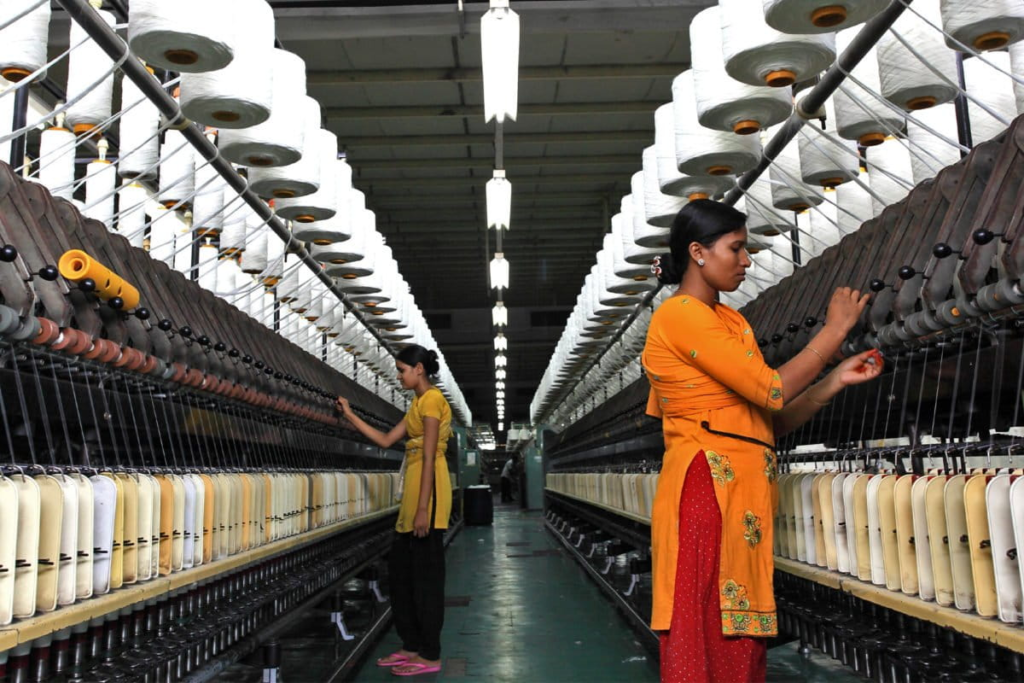
Ready-Made Garments (RMG) and Textiles: Large energy and raw-material footprints — opportunities in energy efficiency, on-site renewables, process changes, and cleaner dyes/chemicals.
Power and Energy: Bangladesh is expanding generation capacity; aligning new capacity with renewables and gas-to-renewable transitions is crucial.
Manufacturing and heavy industry: Cement, brick kilns, and steel are emissions-intensive sectors needing cleaner technologies.
Transport and Logistics: Urbanization and freight growth mean big potential for electrification and efficiency improvements.
Barriers and challenges
Limited Technical Capacity: Many firms lack expertise in measuring Scope 1–3 emissions and translating science-based pathways into action.
Cost and finance: Upfront investment is required for efficiency upgrades and renewables; access to affordable climate finance and green loans is uneven.
Data Gaps: Poor data availability across supply chains makes Scope 3 accounting difficult.
Policy and regulatory gaps: While Bangladesh has a Climate Change Strategy and Action Plan and a net-zero pledge timeframe, stronger incentives and clearer regulations for corporate emissions reduction could accelerate adoption.
SME Reach: The economy relies heavily on SMEs that may struggle to meet reporting and investment requirements demanded by SBTi.
Opportunities and Enabling Factors
Buyer-Driven Demand: Global brands sourcing from Bangladesh (especially apparel buyers) can require science-based targets and provide support for supplier decarbonization.
International Finance & Grants: Multilateral development banks, climate funds, and donor programs can subsidize capacity building, technical assistance, and project finance.
Green industrial policy: Incentives for renewable energy, grid modernization, and energy efficiency standards would help companies meet targets.
Carbon Markets & Corporate Offtake: Development of credible carbon pricing or voluntary markets could create additional incentives for emission reductions and investment.
Public-Private Partnerships: Collaborative initiatives involving government, industry associations, buyers, and NGOs can scale technical assistance and aggregation for SMEs.
Companies that understand this early and act deliberately will be best positioned to navigate the transition ahead. To learn more, please talk to us via WhatsApp +8801701963899 or Schedule a call here: https://calendly.com/business-delnotic/30min