As the world grapples with the urgent need for decarbonization and a more resilient energy infrastructure, two powerful concepts are emerging as key enablers: the smart grid and Energy Attribute Certificates (EACs). While seemingly distinct, these innovations are intricately linked, working in tandem to accelerate the transition to a cleaner, more efficient, and transparent energy system.
Understanding the Smart Grid: The Intelligent Backbone of Energy
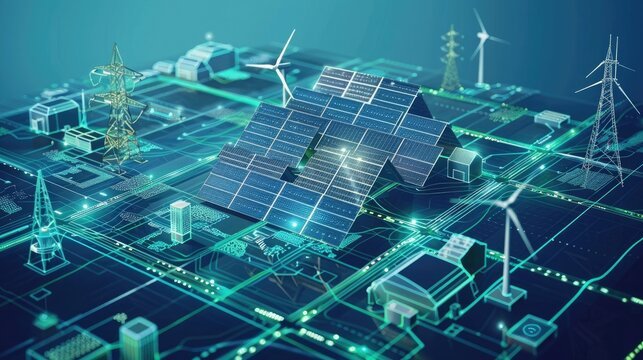
The traditional electricity grid, built for a one-way flow of power from large, centralized fossil fuel plants, is undergoing a radical transformation. The smart grid represents this evolution, characterized by the integration of digital communication technology, automation, and advanced analytics. Instead of a passive delivery system, the smart grid is an intelligent, dynamic, and interactive network that offers numerous benefits:
- Enhanced Efficiency: By better managing supply and demand in real-time, smart grids can reduce energy losses during transmission and distribution.
- Improved Reliability and Resilience: They can detect and respond to outages more quickly, isolate faults, and reroute power, minimizing disruptions.
- Integration of Renewables: Smart grids are crucial for effectively integrating intermittent renewable energy sources like solar and wind power, which are distributed and variable in nature. They allow for better forecasting, storage management, and demand response.
- Consumer Empowerment: Advanced metering infrastructure (AMI) and smart appliances enable consumers to monitor their energy usage, participate in demand-response programs, and even sell excess energy back to the grid (e.g., from rooftop solar).
- Support for Electrification: As transportation and heating sectors electrify, the smart grid will be essential to manage the increased load and ensure grid stability.

Energy Attribute Certificates (EACs): Verifying Green Energy
While smart grids provide the infrastructure for a cleaner energy system, Energy Attribute Certificates (EACs) offer a crucial mechanism for tracking and verifying the source of electricity. An EAC is a digital or paper instrument that represents the environmental attributes of one megawatt-hour (MWh) of electricity generated from a specific source, typically a renewable one.
Think of it this way: when a renewable energy facility generates electricity, it produces two distinct products:
- The actual MWh of electricity that flows through the grid and powers homes and businesses.
- The environmental benefits associated with that generation (e.g., zero carbon emissions, reduced air pollution).
EACs separate these two products. The physical electricity is consumed and billed as usual. The EAC, however, can be sold independently or bundled with the electricity. This creates a market mechanism that incentivizes renewable energy production:
- Transparency and Traceability: EACs provide irrefutable proof that a certain amount of electricity was generated from a renewable source. This is vital for companies and individuals who want to make credible claims about their use of green energy.
- Market-Based Incentives: By selling EACs, renewable energy generators can earn additional revenue, making their projects more financially viable and encouraging further investment in clean energy capacity.
- Meeting Sustainability Goals: Corporations and governments use EACs to meet their renewable energy targets, comply with regulations, and enhance their environmental, social, and governance (ESG) profiles.
- Global Standards: EAC schemes exist worldwide, such as Renewable Energy Certificates (RECs) in North America and Guarantees of Origin (GOs) in Europe, facilitating international trade in green energy attributes.

The Synergy: How They Power Each Other
The smart grid and EACs are not just complementary; they are mutually reinforcing in several ways:
- Data for EACs: Smart meters and grid monitoring systems provide the granular data needed to accurately track, measure, and certify the energy produced by renewable sources, forming the foundation for EAC issuance and verification. The precise real-time data from the smart grid enhances the credibility and accuracy of EACs.
- Incentivizing Smart Grid Investments: The revenue generated from EACs can help finance the modernization of the grid, including investments in smart grid technologies. As more renewable energy is deployed (supported by EACs), the need for a smarter, more flexible grid becomes even more pronounced.
- Demand-Side Management & Green Energy Procurement: Smart grid technologies enable flexible demand-response programs. When coupled with EACs, businesses can dynamically shift their energy consumption to times when renewable energy is abundant and cheap, further solidifying their commitment to green energy procurement.
- Electrification and Decarbonization: As sectors like transportation electrify, smart grids will manage the new electrical loads. EACs will ensure that this increased demand is met with clean energy, accelerating the overall decarbonization effort.

The integration of smart grids and EACs is not just a technological upgrade; it’s a fundamental shift in how we generate, distribute, and consume energy. By creating a transparent, efficient, and incentive-driven ecosystem, these innovations are paving the way for a truly sustainable energy future. As technology advances and policy frameworks mature, the combined power of smart grids and EACs will be instrumental in achieving global climate goals and building a more resilient and equitable energy world.
To learn more, please talk to us via WhatsApp +8801701963899 or Schedule a call here: https://calendly.com/business-delnotic/30min